
Your agents change. What they learn shouldn't leave with them.
Pathrule learns how your workspace works and how you work, compiles that knowledge on your own machine, and gives every coding agent what it needs for the task.
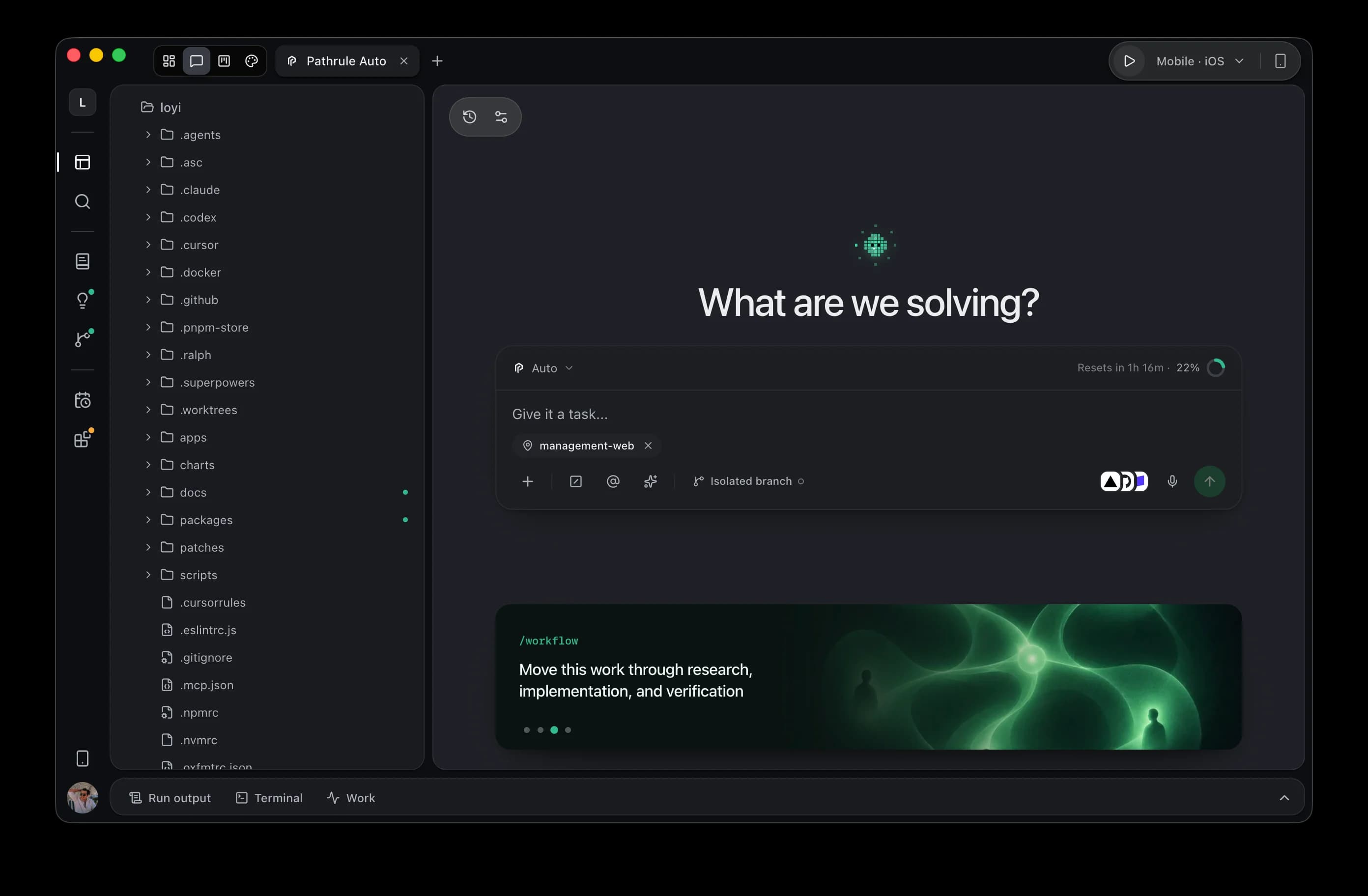
Talk to Pathrule in Studio, or let it work behind Claude, Codex and the agents you already use.

Supported AI agents
 Claude Code
 Codex
Codex Grok
Grok Kimi
Kimi Antigravity
 OpenCode
GrokCodexClaudeCoupons live on the lineItem, never on the order total. I will add the discount there and run your checklist before finishing.
The agent can change. The intelligence stays. What your workspace and you have taught Pathrule lives in Pathrule, so switching agents changes who does the work, not what is known about it.
Features
Claude, Codex and four more engines in Studio
Cursor, Windsurf and Copilot through the CLI
Use your existing AI subscriptions
Workspace
Coupons only on lineItem
Constraint, /src/checkout
@repo/ui consumes dist/
Fixed here 3 times
Migration verification
Check, before completion
You
Small steps over rewrites
Repeated corrections
Options before implementation
On architectural changes
Targeted verification
Unless the workspace asks for more
The workspace teaches Pathrule the project. You teach Pathrule how you work. Decisions, constraints, fixes and procedures stay with the repository. Your working preferences come with you to the next one. Every agent starts with both.
Features
Workspace Intelligence learns the project
User Intelligence learns how you work
Compiled for the task, not dumped in the prompt
Pathrule does not just remember. Knowledge is observed, understood, compiled for the task, enforced where it must not be optional, verified against what actually happened, and learned from.
- 01
Observe
Instructions, corrections, decisions, agent sessions, past failures and the fixes that worked are all evidence, and all carry where they came from.
- 02
Understand
A local model reads that narrative knowledge and works out what it actually means for the work: what is forbidden, what must be verified, what is preferred, what is merely true.
- 03
Compile
Meaning becomes structured knowledge, then a compact representation for one task. The interpretation happens once, at write time, not on every prompt.
- 04
Enforce
Constraints and checks are handled by the runtime rather than left to the agent's memory of a paragraph it read earlier.
- 05
Verify
What was delivered, what the agent consulted, and how the turn went are all recorded, so the effect of a piece of knowledge is a measurement.
- 06
Learn
Evidence accumulates. Repeated corrections strengthen a working preference, a fix that keeps applying earns its place, and knowledge the code has moved past loses ground.
CodexClaude CodeGrokCodexI found an edge case where discounts could bypass line-item validation. I fixed the issue and verified the tests. This may be useful context for future checkout changes.
Claude could finish the work either way. What changed was whether it finished the way the workspace already knew it should be done. The knowledge existed; the difference is whether it reached the task.
Identical repositories, identical prompts, scoring frozen before the run. The payload figure is about the knowledge payload, not total token usage. Methodology
You Why do we use getEnv() here?
Pathrule This workspace moved environment access behind getEnv() after direct access bypassed validation in three separate changes. It is a constraint on /src, not a style preference.
You Prepare the auth migration, but don't start it yet.
Pathrule Two workspace constraints affect this migration. I'll prepare a plan around them and leave the implementation untouched.
You Why does Claude keep running so many tests?
Pathrule You've corrected this several times. I'll treat targeted verification as your default, unless the workspace requires a broader check.
Talk to the intelligence behind your agents. Pathrule Studio is where you ask why a decision exists, teach Pathrule how you work, inspect what the workspace has learned, and direct the agents from the same place.
Features
Ask, teach, correct, inspect
Plan and delegate work to agents
See why a piece of knowledge was used
Pathrule is not one feature. It is a system of layers: what understands, what it learns about the project, what it learns about you, what enforces it during a run, and the two places you work with it.
One shared understanding across Studio.
Chat
Every surface draws on the same intelligence. Give an agent a task, switch models, move into design, and the compiled knowledge for the work follows rather than being explained again.
CodexResets in 5d 23h18%Task
Tasks can come directly from what is happening in your product, giving agents concrete work to act on.
Fix Studio reconnect retry behavior
Fix workspace validation blocking new chats
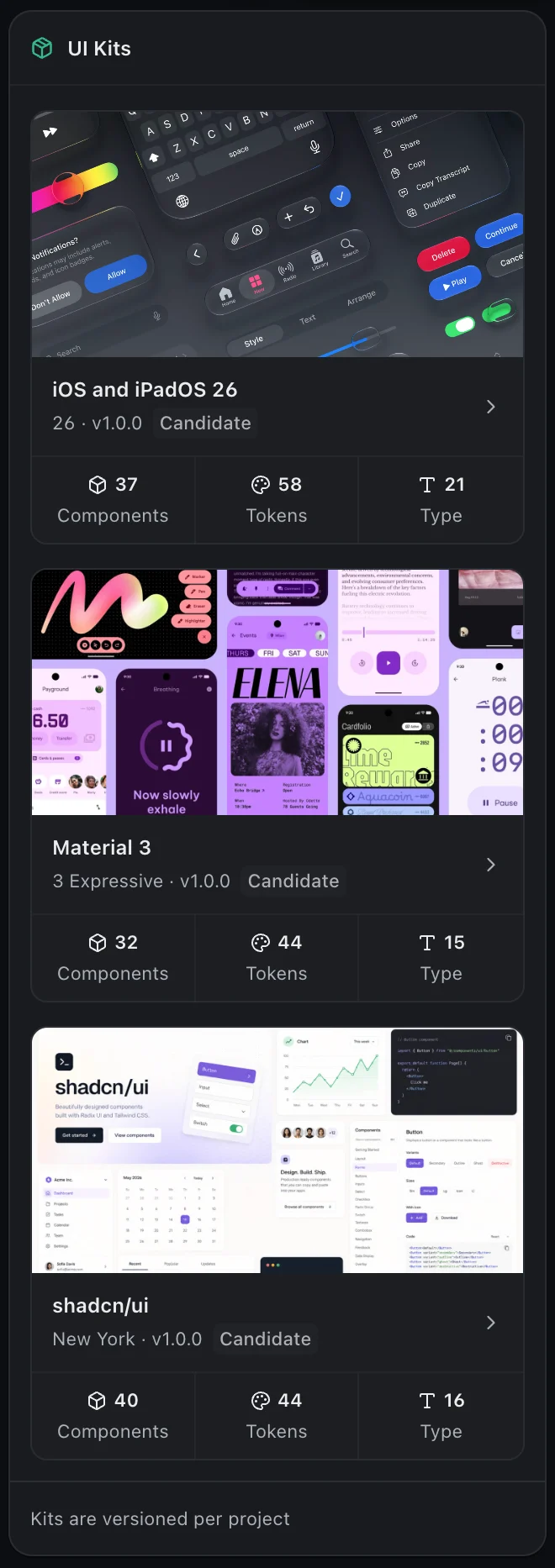
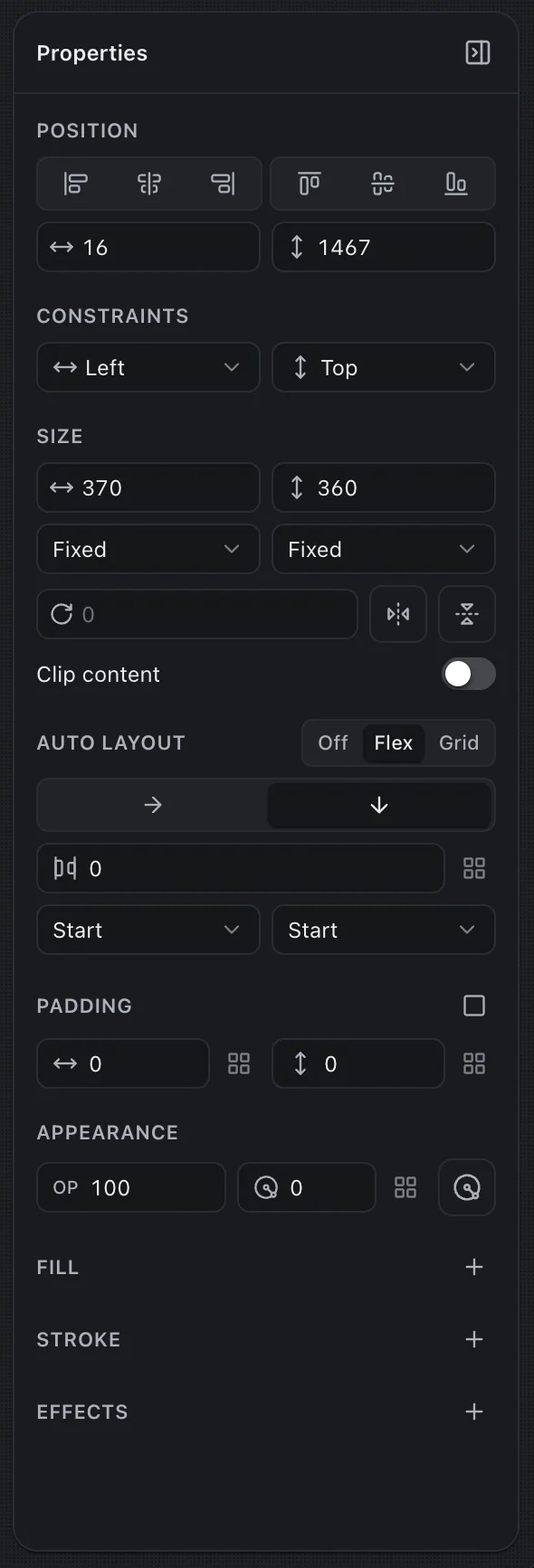

Product work does not live in one place. Pathrule connects the surfaces where you think, design, and execute, so work can continue without losing what came before.
Workflow loop
Pathrule surfaces stay connected to each other. Work can move between Design, Tasks, Chat, and Context without rebuilding the surrounding understanding every time.
A change in Design can become a Task, and the agent working on that Task can continue with the relevant product context already available. Explore the workflow loop
Where Pathrule is different, and where it overlaps.
Every product here gets the ticks it has earned. Your coding agent and your editor already scope rules by path and load them before the first tool call. Those rows are ticks for them, not for us.
| Capability | Pathruleintelligence layer | Claude Codeauto memory + rules | Cursorrules + memories | ByteRovercontext tree | Mem0memory API |
|---|---|---|---|---|---|
| Architecture | |||||
| Knowledge is compiled into structure, not delivered as prose | Yes | No | No | partialPartial | partialPartial |
| Requirements rank above advice in what the agent receives | Yes | No | No | No | No |
| Critical rules enforced by a runtime, not only stated in a prompt | Yes | partialPartial | partialPartial | No | No |
| Your knowledge is understood on your own machine | Yes | No | No | partialPartial | No |
| What it learns | |||||
| Learns how you prefer to work, not only what the project knows | Yes | partialPartial | partialPartial | No | partialPartial |
| What it learns about you follows you to the next repository | Yes | No | No | No | partialPartial |
| Learns which knowledge actually helped, per kind of work | Yes | No | No | No | partialPartial |
| Scope and delivery | |||||
| Scoped to the path you are editing | Yes | Yes | Yes | partialPartial | No |
| Arrives before the first tool call, without the agent asking | Yes | Yes | Yes | partialPartial | No |
| One knowledge source available to multiple agent vendors | Yes | partialPartial | No | Yes | Yes |
| The work itself | |||||
| Parallel agents in isolated checkouts | Yes | partialPartial | Yes | No | No |
| Tasks that arrive with their context prepared | Yes | No | Yes | No | No |
| Runtime incidents mapped back to code and tasks | Yes | No | No | No | No |
Official documentation checked 1 October 2026. Claude Code 2.1.287 was inspected locally; Cursor, ByteRover and Mem0 were not runtime-tested. Sources and review scope appear on the linked comparison pages. Compare sources and methods
Signals
liveFix checkout.submit crash on payment retry
Context usually starts with people. Signals lets the product contribute too. Runtime events can become useful input for the agents working on the product.
Features
Product events become agent context
Runtime issues stay connected to the relevant work
Signals can create Tasks for agents to act on
Your workspace
Shared with the teamWhat one person teaches the product, the whole team can build on. Share knowledge across your team, so every agent can work with what your product has already learned.
Features
Shared memories, rules, and skills
Relevant knowledge across teammates
Keep agents aligned as the product evolves
Built to understand your product. Designed to protect it.
Local intelligence
Your workspace is understood where it lives. Pathrule Intelligence runs its inference on your own machine, and Pathrule never scans, indexes or uploads your source code.
Your machine
src/
412 files
.env
1 file
node_modules/
9,204 files
What Pathrule stores
Open source
Inspect the core yourself. Pathrule's core is open source, so you can see how context reaches your agents or run it on your own terms.
github.com/pathrule/coreScoped knowledge
Knowledge stays in scope. Product knowledge follows workspace and project boundaries, so agents receive what belongs to the work at hand.
Workspace
24 items
Project
9 items
apps/api/checkout
Common questions.
What is Pathrule?
What is Workspace Intelligence?
What is User Intelligence, and how does Pathrule learn how I work?
Can I correct what Pathrule has learned about me, and does it follow me to another repository?
What happens when my preferences conflict with project rules?
What is Pathrule Studio, and is it another AI chat app?
Is Pathrule another coding model? Does it replace Claude or Codex?
Does Pathrule run AI locally? Does it send my code to its own AI servers?
Is Pathrule an AI memory tool?
Do I have to write all of this by hand?
What happens when Pathrule is not sure?
Does Pathrule save tokens?
Is Pathrule free?
Explain it once.
Pathrule is free for solo developers. Your first memory takes a minute.